


Some error occured while loading the Quick View. Please close the Quick View and try reloading the page.
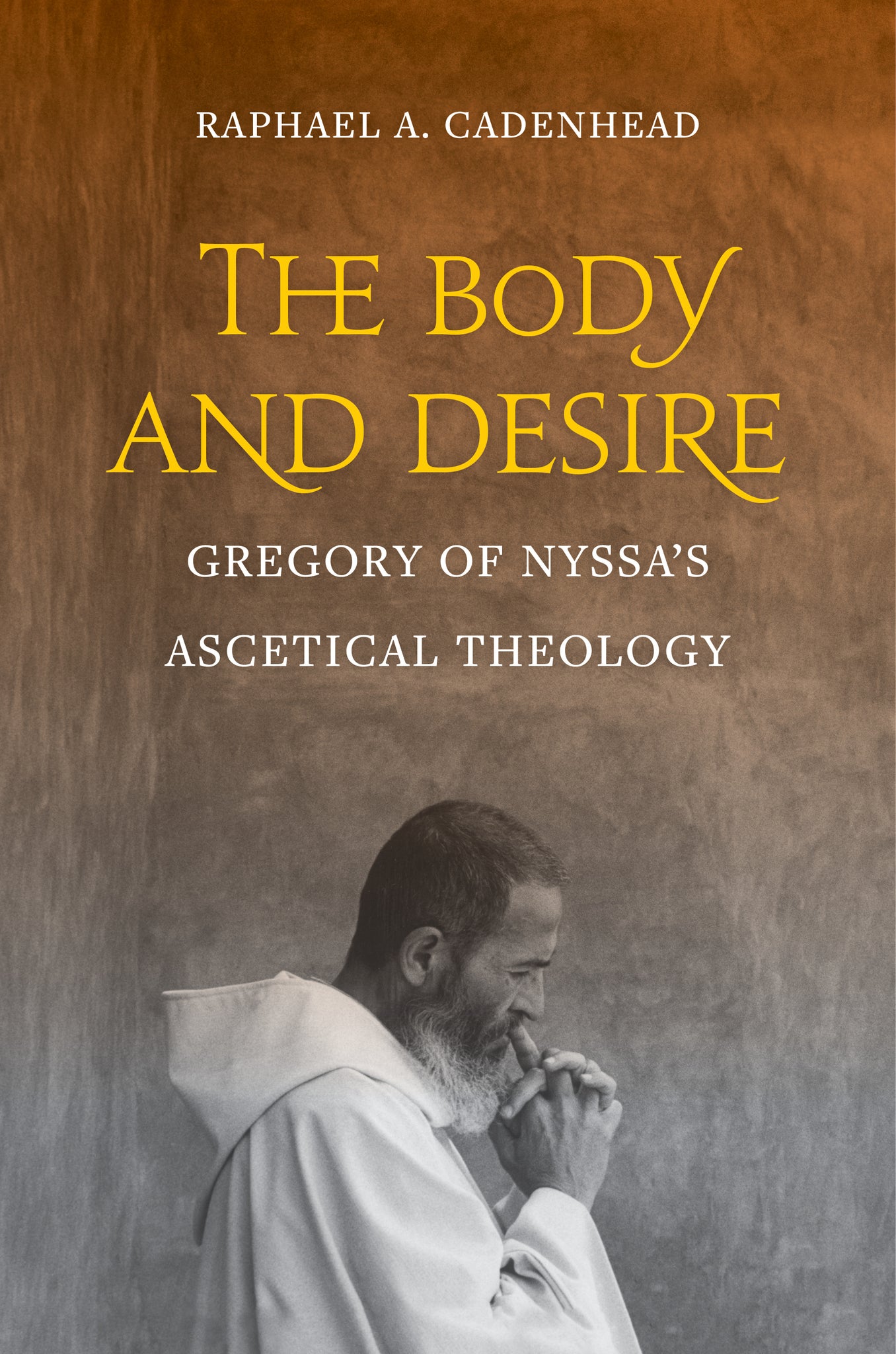
Although the reception of the Eastern Father Gregory of Nyssa has varied over the centuries, the past few decades have witnessed a profound awakening of interest in his thought. The Body and Desire sets out to retrieve the full range of Gregory’s thinking on the challenges of the ascetic life by examining within the context of his theological commitments his evolving attitudes on what we now call gender, sex, and sexuality. Exploring Gregory’s understanding of the importance of bodily and spiritual maturation for the practices of contemplation and virtue, Raphael A. Cadenhead recovers the vital relevance of this vision of transformation for contemporary ethical discourse.

Price: $95.00
Pages: 260
Publisher: University of California Press
Imprint: University of California Press
Series: Christianity in Late Antiquity
Publication Date:
27 November 2018
Trim Size: 9.00 X 6.00 in
ISBN: 9780520297968
Format: Hardcover
BISACs:
Raphael A. Cadenhead holds a doctorate in Theology and Religious Studies from the University of Cambridge.
Acknowledgments
Introduction
Setting the Scene
The Structure of the Study
Resisting the Charge of Anachronism: Semantic and
Terminological Clarifications
The Renaissance of Scholarly Interest in Gregory of Nyssa:
From Obscurity to Approbation to Eisegesis
Prelude
Christianity after Constantine’s Conversion
The Burgeoning Monastic Movement
The Asceticism of Gregory’s Family
Conclusion
part one. the early phase, 371–september 378:
the integrative significance of the body in the life of virtue
1. Marriage, Celibacy, and Pederasty
Marriage and Celibacy
Pederasty and Celibacy
Conclusion
2. The Integration of the Virtues
Sexual Lust in the De virginitate
The Reciprocity of the Virtues
The Proliferation of Vice and the Example of Gluttony
3. Gregory’s Emerging Theory of Desire
Erotic Desire
The Criterion of Need
The Passions
Moderation
Satiety versus Fulfillment
The Moral Evocations of Male and Female Characteristics
Conclusion
part two. the middle phase, september 378–387:
the ascetical and eschatological mixture
of male and female
4. A Worldly Life of Desire: Marriage, Children, Money, and Sex
The Problems of Marriage
Physical Fecundity
The Particular Challenges of Sexual Vice
The Moral Evocations of Male and Female Characteristics
5. The Death of Siblings
“No Longer Male and Female . . . in Christ Jesus”
Sexual Morphology: Anthropological and Eschatological Perspectives
Refinements in Gregory’s Theory of Desire
6. Doctrinal Controversies: Christological and Trinitarian
The Diachronic Unfolding of the Spiritual Life: Christological Reflections
Gregory’s Doctrine of God: Intra-Trinitarian Relationships and the Ascetic Life
Conclusion
part three. the late phase, 387–394: erotic intimacy
with Christ and the maturation of desire
7. Spiritual Maturation: Virginity and the Narrative of Progress
Recasting Virginity
The Diachronic Train of Moral and Spiritual Progress
8. Male and Female: Diachronic Exchanges
Male and Female in the Late Period
Intimacy with Christ
Conclusion
Conclusion
Overview
The Challenges Posed to Contemporary Ethical Discourse
Appendix
Abbreviations
Notes
Bibliography
Index
Introduction
Setting the Scene
The Structure of the Study
Resisting the Charge of Anachronism: Semantic and
Terminological Clarifications
The Renaissance of Scholarly Interest in Gregory of Nyssa:
From Obscurity to Approbation to Eisegesis
Prelude
Christianity after Constantine’s Conversion
The Burgeoning Monastic Movement
The Asceticism of Gregory’s Family
Conclusion
part one. the early phase, 371–september 378:
the integrative significance of the body in the life of virtue
1. Marriage, Celibacy, and Pederasty
Marriage and Celibacy
Pederasty and Celibacy
Conclusion
2. The Integration of the Virtues
Sexual Lust in the De virginitate
The Reciprocity of the Virtues
The Proliferation of Vice and the Example of Gluttony
3. Gregory’s Emerging Theory of Desire
Erotic Desire
The Criterion of Need
The Passions
Moderation
Satiety versus Fulfillment
The Moral Evocations of Male and Female Characteristics
Conclusion
part two. the middle phase, september 378–387:
the ascetical and eschatological mixture
of male and female
4. A Worldly Life of Desire: Marriage, Children, Money, and Sex
The Problems of Marriage
Physical Fecundity
The Particular Challenges of Sexual Vice
The Moral Evocations of Male and Female Characteristics
5. The Death of Siblings
“No Longer Male and Female . . . in Christ Jesus”
Sexual Morphology: Anthropological and Eschatological Perspectives
Refinements in Gregory’s Theory of Desire
6. Doctrinal Controversies: Christological and Trinitarian
The Diachronic Unfolding of the Spiritual Life: Christological Reflections
Gregory’s Doctrine of God: Intra-Trinitarian Relationships and the Ascetic Life
Conclusion
part three. the late phase, 387–394: erotic intimacy
with Christ and the maturation of desire
7. Spiritual Maturation: Virginity and the Narrative of Progress
Recasting Virginity
The Diachronic Train of Moral and Spiritual Progress
8. Male and Female: Diachronic Exchanges
Male and Female in the Late Period
Intimacy with Christ
Conclusion
Conclusion
Overview
The Challenges Posed to Contemporary Ethical Discourse
Appendix
Abbreviations
Notes
Bibliography
Index